What Happens During a Professional Roof Cleaning Visit?
If you own a home in Richmond, you already know how much the local climate affects your property. Warm, humid summers, plenty of rainfall, and shade from mature trees create the perfect environment for algae, moss, and lichen to settle on your roof. Those dark streaks and fuzzy green patches are more than a cosmetic problem. Left untreated, they can shorten the life of your roofing materials and reduce your home's curb appeal.
Many homeowners are unsure what a professional roof cleaning visit actually involves. Will crews walk on your roof? Is it just a strong blast of water? Will your landscaping be safe? This guide walks through the entire process, from the first phone call to the final inspection, so you know exactly what to expect.
Why Roof Cleaning Matters in Richmond
Before getting into the visit itself, it helps to understand what professionals are removing and why. The black streaks commonly seen on asphalt shingle roofs are usually caused by Gloeocapsa magma, a type of cyanobacteria often called roof algae. It spreads through airborne spores and thrives in humid climates, which makes Richmond roofs especially vulnerable.
Moss and lichen are a different issue. They hold moisture against the roof surface and can work their way under shingle edges, lifting them over time. This can lead to water intrusion, premature granule loss, and costly repairs. Regular roof cleaning is a preventative measure that helps protect your investment.
Step One: The Initial Consultation and Roof Assessment
A quality roof cleaning visit begins before any equipment is unloaded. A technician typically evaluates the home, either during a scheduled estimate or at the start of the service appointment. This assessment covers several key points:
- Roofing material: Asphalt shingles, metal, tile, slate, and wood shake each require a different cleaning approach.
- Roof pitch and accessibility: Steep or multi-story roofs may require additional safety equipment or specialized techniques.
- Type and severity of growth: Light algae staining is treated differently than heavy moss or lichen buildup.
- Existing condition: Cracked, curling, or missing shingles are noted, since these areas are more sensitive to cleaning methods.
- Surrounding landscaping: Plants, gardens, and water features near the foundation need protection.
This is also a good time to ask about the company's insurance, experience with your roof type, and the cleaning method they plan to use. A reputable provider will gladly explain their process.
Step Two: Choosing the Right Cleaning Method
This is where professional roof cleaning differs most from DIY attempts. Many people assume roof cleaning means pressure washing the shingles. In reality, high-pressure water can be one of the most damaging things you can do to an asphalt shingle roof. It can strip protective granules, force water beneath shingles, and void manufacturer warranties.
Soft Washing: The Industry Standard
Most professionals now rely on soft washing for roof cleaning. This method uses low pressure, similar to a garden hose, combined with a specially formulated cleaning solution. The solution is typically a blend of water, a surfactant for cling, and a cleaning agent that kills algae, moss, and lichen at the root rather than just scrubbing away the surface.
The difference between power washing and soft washing is important. Power washing relies on high pressure and sometimes heated water, which works well for hard surfaces like concrete. Soft washing relies on chemistry, not force, which is why it https://pressurecleaningrichmond.com.au/solar-panel-cleaning/ is the safer choice for roofs, siding, and other delicate surfaces.
When Other Methods Apply
Some roof types, such as certain tile or concrete roofing, may tolerate a gentle rinse at moderate pressure. Metal roofs usually respond well to soft washing with a mild solution. Your technician should match the method to the material instead of using a one-size-fits-all approach.
Step Three: Preparing the Property
Once the method is chosen, the crew prepares your property. This preparation protects your home and landscaping, and it is a sign of a careful provider. Common preparation steps include:

- Pre-wetting plants, shrubs, and grass near the work area to dilute any runoff that reaches them.
- Covering delicate plants or sensitive landscaping where needed.
- Closing windows and doors and securing outdoor items such as furniture, grills, and decorations.
- Checking gutters, downspouts, and drainage so runoff is directed appropriately.
- Setting up ladders, safety lines, or other fall protection for the crew.
Homeowners can help by moving vehicles out of the driveway, bringing in pets and children, and removing items from patios and decks. It also helps to let the crew know about any known leaks or areas of concern.
Step Four: Applying the Cleaning Solution
With everything in place, the technician applies the cleaning solution to the roof surface. Depending on the setup, this may be done from the ground with a long-reach wand or sprayer, or from a ladder. In some cases, trained technicians access the roof directly, using proper safety gear and footwear to avoid damaging the shingles.
The solution is applied evenly across the affected areas, working from the top down. It then needs dwell time, usually several minutes to a half hour depending on conditions, to break down algae and moss. During this time, the technician may monitor the roof and reapply to heavily stained sections.
Step Five: Rinsing and Final Treatment
After the solution has done its work, the roof is rinsed with low-pressure water. The rinse removes loosened debris, dead algae, and residual cleaning solution. A careful crew rinses in the direction of the shingle overlap so water does not get pushed underneath.
One thing worth knowing: results are not always instant. Soft washing kills growth at the root, and some stains continue to fade over the following days or weeks as rain naturally washes away the remaining residue. Heavily stained roofs may show gradual improvement over a month or so.
Step Six: Cleanup and Final Inspection
The visit does not end when the spraying stops. A thorough provider performs these finishing tasks:
- Rinsing driveways, walkways, patios, and landscaping that may have been exposed to runoff.
- Clearing loose debris from gutters and downspouts when it is part of the service.
- Walking the property with the homeowner to review the results.
- Noting any roof issues discovered during the visit, such as damaged shingles or flashing concerns.
This final walkthrough is a chance to ask questions and request touch-ups if something was missed.
How Long Does a Roof Cleaning Visit Take?
Most residential roof cleanings take between two and five hours, depending on the size of the roof, its pitch, the severity of growth, and the cleaning method. A modest single-story home with light algae may be finished in a couple of hours, while a large, steep, multi-story home with heavy moss can take longer. Weather also plays a role. Wind can affect solution application, and rain may require rescheduling.
Bundling Services for Better Value
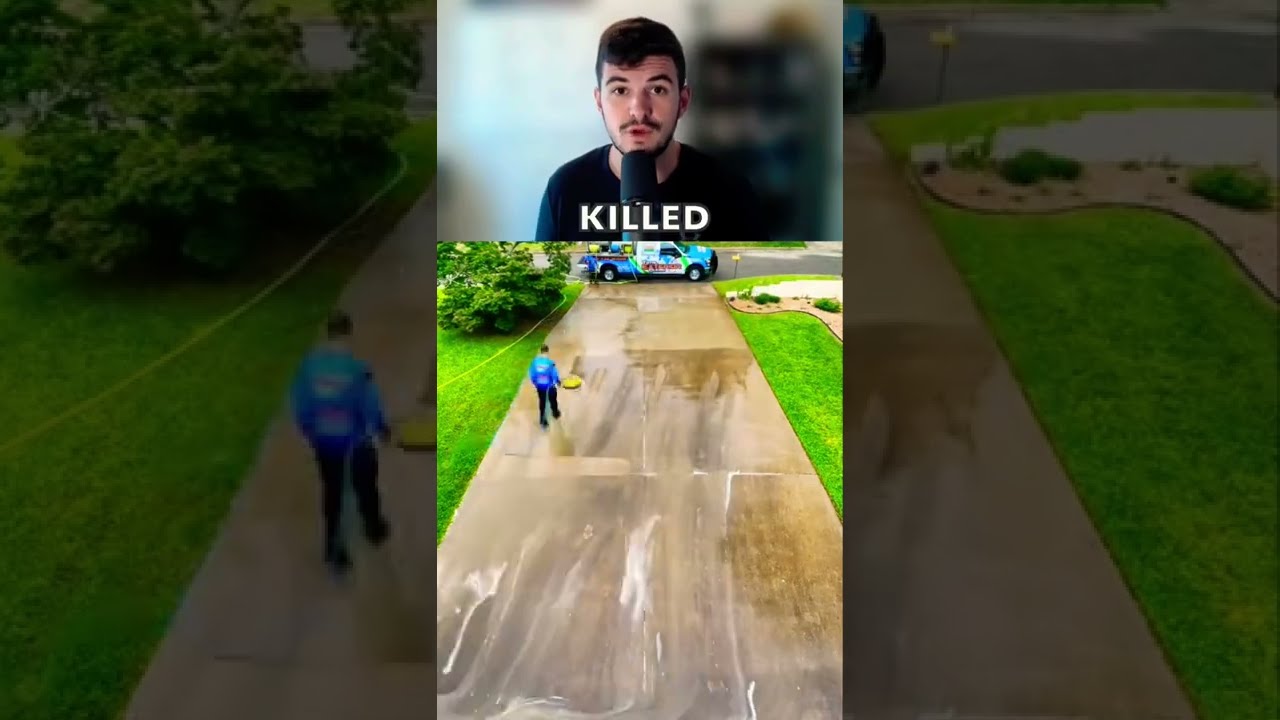
Many Richmond homeowners combine roof cleaning with other exterior services. Since the crew is already on site with the right equipment, adding house washing can restore siding that has developed the same green and black growth as the roof. Driveway cleaning and walkway cleaning, typically done with true pressure washing or power washing, remove oil stains, mildew, and embedded dirt from concrete surfaces.

Doing these jobs together often creates a more uniform, polished appearance. A freshly cleaned roof above dingy siding or a stained driveway can look mismatched, whereas a complete exterior refresh makes the whole property stand out. Bundled appointments can also be more convenient and sometimes more cost-effective.
How Often Should You Schedule Roof Cleaning?
There is no single schedule that fits every home, but a general guideline for Richmond is to have your roof inspected annually and cleaned every two to three years. Homes with heavy tree cover, north-facing roof slopes, or persistent dampness may need more frequent attention. Roofs that receive plenty of sun and airflow may go longer between cleanings.
Some providers also offer algae-prevention treatments or recommend zinc or copper strips along the roof ridge. As rain flows over these metals, it releases ions that discourage new growth, which can extend the time between cleanings.
Tips for Choosing a Roof Cleaning Provider
Not all companies approach roof cleaning the same way. When comparing providers in Richmond, consider these factors:
- Method: Ask whether they use soft washing and avoid high-pressure techniques on shingles.
- Insurance and licensing: Confirm they carry liability insurance and meet local business requirements.
- Environmental practices: Ask how they protect plants and manage runoff, especially given growing attention to stormwater and water quality in 2026.
- References and reviews: Look for consistent feedback about roof work specifically.
- Written estimates: A clear scope of work and price helps avoid surprises.
Be cautious of anyone who recommends aggressive pressure on shingles or offers a price far below the competition. Roof damage from improper cleaning can cost far more to fix than the service itself.
Final Thoughts
A professional roof cleaning visit is a methodical process: assessment, method selection, property preparation, solution application, gentle rinsing, and a final inspection. When done correctly, it removes damaging growth, improves your home's appearance, and helps your roof last longer without risking the shingles.
If your roof shows dark streaks, moss patches, or uneven discoloration, now is a good time to consider scheduling a professional visit. Pairing roof cleaning with house washing and driveway cleaning can refresh your entire exterior in one appointment and keep your Richmond home looking its best for years to come.
Richmond Pressure Cleaning
Unit 2/420 Church St, Richmond VIC 3121
ph. (03) 4231 7213